How to Sell or Recycle Faulty Inverter Batteries in Nigeria (2025 Buyer’s Guide)
buyscrapng June 12, 2025 No Comments
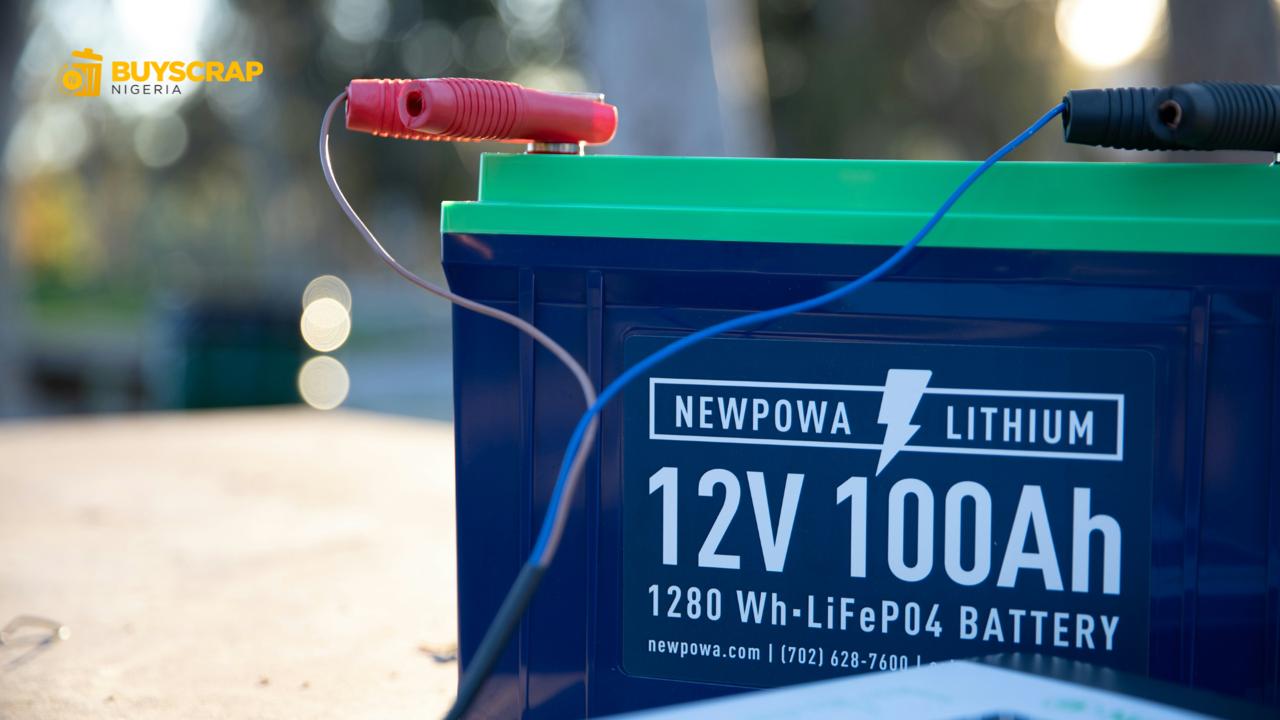
The scrap battery industry has experienced rapid growth in recent years, making it more important than ever to understand the value of selling used batteries and where to find reliable buyers. Recycling old batteries is not only an eco-friendly practice but also a smart way to earn extra income. However, for those unfamiliar with the process, selling faulty inverter batteries can be challenging. Without the right knowledge, sellers may face unnecessary hurdles or miss out on fair deals.
This guide will walk you through how to identify faulty or dead inverter batteries in Nigeria and how and where to sell your scrap batteries while maximizing profit and contributing to a greener Nigeria.
But first, let’s take you through how to identify dead or faulty inverter batteries.
Warning Signs of a Bad Inverter Battery
Inverter batteries (also called deep cycle batteries) are important because they give you backup power when there’s no electricity. They’re built to last through long periods of use and recharge many times. But after some time, these batteries can start having problems and stop working well.
Your inverter battery gives you power during outages, but it won’t last forever. Here are easy-to-spot signs that it’s failing:
- Dies Too Fast: If it runs out of power much quicker than before, the battery is losing its strength.
- Won’t Hold a Charge: A good battery should stay charged for hours. If it drains fast even after charging, something’s wrong.
- Gets Too Hot: Batteries warm up a little, but if it feels very hot, there could be damage inside.
- Strange Sounds or Smells: Buzzing, hissing, or a rotten-egg smell means the battery is likely failing.
- Bulging or Leaking: If the battery looks swollen or leaks liquid, stop using it; it’s no longer safe.
If you notice these signs, your battery may need replacement soon. Ignoring them could lead to worse performance or even safety risks.
Common Causes of Inverter Battery Failure
An inverter battery dies mainly due to sulfation, deep discharges, poor maintenance, or natural aging. If the battery is old or heavily sulfated, revival may not be possible. However, if the issue is due to temporary sulfation or water loss, proper charging, desulfation, or electrolyte refilling might help restore some functionality. Below are four main reasons why inverter batteries die:
- Sulfation: When a lead-acid battery remains discharged for too long, lead sulfate crystals form on the battery plates. These crystals harden over time, reducing the battery’s ability to charge and discharge efficiently, eventually leading to failure.
- Deep Discharge: Repeatedly draining the battery to very low levels (deep discharging) damages its internal chemistry. Over time, this causes permanent capacity loss, making the battery unable to hold a sufficient charge.
- Lack of Maintenance: For flooded lead-acid batteries, neglecting to refill distilled water leads to plate exposure and corrosion. Additionally, not cleaning terminals or checking electrolyte levels accelerates battery degradation.
- Age: Even well-maintained batteries degrade over time. Lead-acid batteries typically last 3–5 years, while sealed or lithium-ion variants may last longer. Chemical wear and tear eventually reduces performance beyond recovery.
How to Dispose of a Dead Inverter Battery
If you’re in Nigeria and have a defunct inverter battery taking up space, you’re likely wondering what to do with it. Throwing it away irresponsibly is harmful to the environment due to hazardous materials like lead and sulfuric acid. Fortunately, there are avenues to sell or recycle your dead inverter battery, potentially earning you some cash while contributing to a healthier environment.
Why You Should Sell or Recycle Your Dead Inverter Battery
Beyond decluttering your space, selling or recycling your dead inverter battery offers several benefits:
- Environmental Protection: Inverter batteries contain lead, which is a toxic heavy metal. Proper recycling prevents lead and other harmful chemicals from leaching into the soil and water, protecting ecosystems and human health.
- Resource Recovery: Lead-acid batteries are highly recyclable. Materials like lead and plastic can be recovered and reused in manufacturing new batteries and other products, reducing the need for virgin resources.
- Monetary Value: Even dead batteries have value. Companies and individuals buy them for their scrap metal content, offering you a return on your initial investment.
- Support for Local Industries: Selling to local recyclers or manufacturers helps support the circular economy in Nigeria and creates jobs within the country.
Top Places to Sell Dead Inverter Batteries in Nigeria
Finding a buyer for your dead inverter battery is becoming easier as awareness about recycling grows. Here are the most common and reliable options for where to recycle inverter batteries in Nigeria:
- Scrap Battery Depots and Recycling Companies: Many companies specialize in buying all types of scrap batteries, including faulty inverter batteries. They often offer competitive prices, and some even provide collection services. Examples include BuyScrap Nigeria (a waste collection company that buys faulty and dead lead/acid batteries).
- Inverter and Solar Product Dealers: Many inverter and solar energy product retailers offer trade-in programs where you can get a discount on a new battery when you return your old, dead one. This is often the most convenient option if you’re upgrading your system. In addition, some dealers also directly buy dead inverter batteries for recycling or onward sale to scrap dealers.
- Online Classifieds and Marketplaces: Platforms like Jiji.ng and BuyScrap Nigeria (a platform connecting scrap sellers with recyclers) allow you to post ads for your dead inverter battery. They can connect you with faulty inverter battery buyers or smaller businesses looking for such scrap to purchase.
- Informal Scrap Battery Collectors: In many locations across Nigeria, informal scrap battery collectors move from door to door. While they may offer lower prices, they provide a convenient way to dispose of your battery. Ensure they are legitimate and handle the battery safely.
Factors Affecting the Price of a Dead or Faulty Inverter Battery
The amount you can get for your old inverter battery depends on several factors:
- Battery Capacity (AH): A dead inverter battery with a higher ampere-hour (AH) rating (e.g., 200 AH, 150 AH, 100 AH) will give the seller a higher price due to more lead content.
- Battery Type: While most inverter batteries are lead-acid, slight variations in their composition might influence their scrap value.
- Weight: The heavier the battery, the more lead it contains, and usually the more valuable it is as scrap.
- Quantity: The more faulty or dead batteries you have to sell, the better the price a buyer may offer. Buyers often provide higher rates for larger quantities because bulk purchases are more cost-effective for them to process or recycle.
- Physical condition: While it’s “dead or faulty,” extreme damage or leakage might slightly reduce its value even though most buyers are interested in the internal components.
- Market Demand for Lead: Global and local demand for recycled lead will influence the prices offered by buyers.
- The type of buyer: Recycling companies and large scrap collectors such as BuyScrap Nigeria often offer better rates than individual or informal collectors.
- Location: Prices can vary depending on your location in Nigeria, as transportation costs play a big role.
Note: For bulk quantities of dead batteries (e.g., from an office or an installation project), contacting dedicated recycling companies such as BuyScrap Nigeria will likely give the best value in terms of price and handle the collection in an environmentally responsible way.
Important Considerations Before Selling Your Old Batteries
Before you clear out those old inverter batteries, be aware that selling them isn’t as simple as it seems. From prioritizing safety due to hazardous contents to navigating transportation and ensuring legitimate disposal, there are important steps to consider. This includes:
- Safety First: Dead inverter batteries contain hazardous sulfuric acid and toxic lead, requiring careful handling to avoid injuries or environmental harm. Always wear gloves and eye protection, avoid tipping/dropping them, and store them upright to prevent leaks.
- Leakage: If the battery is leaking, place it in a sealed, chemical-resistant container to prevent environmental contamination and ensure safe transport.
- Transportation: Plan how you will transport the battery with the buyer. Some scrap battery buyers in Nigeria, such as BuyScrap Nigeria, offer free pickup services in Lagos, which is ideal for heavy batteries.
- Negotiation: Don’t be afraid to negotiate prices, especially if you have multiple batteries or have done some research on current scrap battery rates.
- Verify Buyer Legitimacy: Especially when dealing with informal collectors or unknown online buyers, ensure they are reliable and will dispose of/recycle the battery responsibly.
The Environmental Impact of Improper Disposal
Improper disposal of damaged or faulty inverter batteries, such as dumping them in landfills or waterways, has severe environmental and health consequences:
- Lead Poisoning: Lead from improperly disposed batteries can leach into soil and groundwater, polluting drinking water supplies and farmland. This toxic metal poses serious health risks, including irreversible neurological harm, childhood developmental disorders, and various chronic illnesses.
- Acid Contamination: Sulfuric acid can corrode containers and release toxic fumes, harming plant and animal life and contaminating soil and water.
- Air Pollution: Burning batteries (an unsafe disposal method) releases highly toxic fumes into the atmosphere, contributing to respiratory illnesses and other health problems.
Conclusion
If your inverter battery no longer holds a charge, fails load tests, shows physical damage like swelling or leaks, or is simply too old to perform efficiently, it’s time for a replacement. Instead of letting dead batteries pile up at home, sell them to BuyScrap Nigeria, a trusted waste battery collection company that ensures safe and eco-friendly disposal.
By choosing to sell or recycle your dead inverter battery, you are actively participating in responsible waste management and protecting the environment for future generations.
Contact BuyScrap Nigeria at 07081263229 to sell dead inverter batteries in Lagos, Abuja, Port Harcourt, or anywhere in Nigeria. We offer the best price for your dead battery and fast pickup nationwide.
Frequently Asked Questions (FAQs)
Can I Trade In Any Inverter Battery?
Yes! We accept most types of inverter batteries, including lead-acid, sealed, and lithium-ion models. To ensure your battery qualifies and to get the best price, simply contact us with your battery’s make and model. We’ll provide a quick eligibility check and a fair valuation.
Can a completely dead battery be revived?
Sometimes, a dead car battery can be temporarily revived to get you going. But if it’s badly damaged, replacement is the only option. If your battery is dead due to poor maintenance, old age, overcharging, or too many deep discharges, it likely cannot be fixed. The best way to extend battery life is to follow the manufacturer’s care instructions.
How to dispose of an inverter battery safely in Nigeria?
Dead or faulty inverter batteries contain toxic materials like lead and sulfuric acid, which can harm the environment if not handled properly. Instead of dumping them illegally, you can sell or recycle them responsibly with trusted buyers like BuyScrap Nigeria, a certified battery scrap buyer in Nigeria committed to zero landfill disposal and eco-friendly recycling.
Where to sell dead batteries near me in Lagos?
If you are looking to dispose of old inverter batteries in Lagos? BuyScrap Nigeria offers top prices for dead or faulty batteries with hassle-free drop-off at our Oshodi and Agege locations.
Leave a Comment
Your email address will not be published. Required fields are marked. *